In 2026, dining is no longer just about taste — it’s about story, origin, and intention. The global rise of “mindful feeding” means discerning guests want to know exactly where their food comes from: who grew it, how it was raised, how far it traveled, and why it matters. In Greece, this trend finds its purest expression in the deep-rooted culinary DNA shared between Crete and Mykonos — two islands separated by sea but united by soil, climate, and centuries of shared gastronomic wisdom.
At Loyal Villas Luxury, this philosophy becomes root-to-ritual dining: a deeply personal, almost ceremonial experience where every ingredient is traceable, every dish tells a story, and every meal feels like a quiet celebration of place.
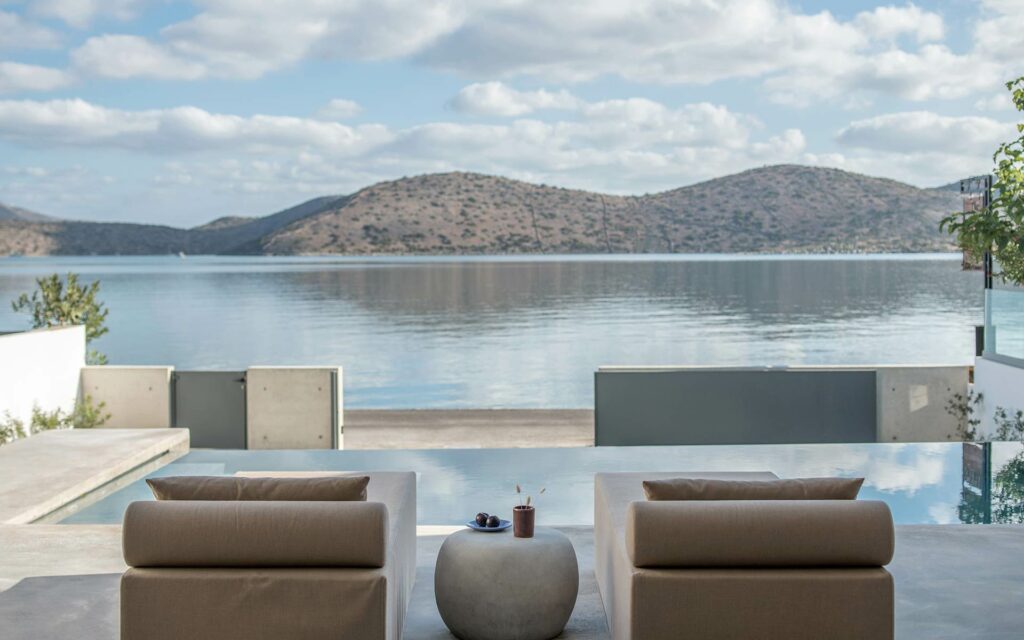
The Cretan–Mykonian Food Connection
Crete has long been the gastronomic heart of Greece — birthplace of the Mediterranean diet, home to ancient olive groves, wild herbs, slow-grown grains, and the world’s oldest-known cheese-making traditions. Mykonos, while smaller and windier, inherited many of the same building blocks: poor soil that forces ingenuity, terraced fields that preserve ancient seeds, and a culture of using every part of what the land gives.
The overlap is striking:
- Extra-virgin olive oil from Koroneiki and Tsounati varieties
- Wild thyme, oregano, sage, and dittany harvested by hand
- Slow-fermented breads and barley rusks (paximadi)
- Cheeses like xinomizithra, graviera, and myzithra
- Honey from wildflower and thyme pastures
- Lamb, goat, and pork raised on aromatic herbs
- Vegetables and pulses grown without chemical inputs
These are not “trendy” ingredients — they are the backbone of survival cuisine that has become luxury cuisine.
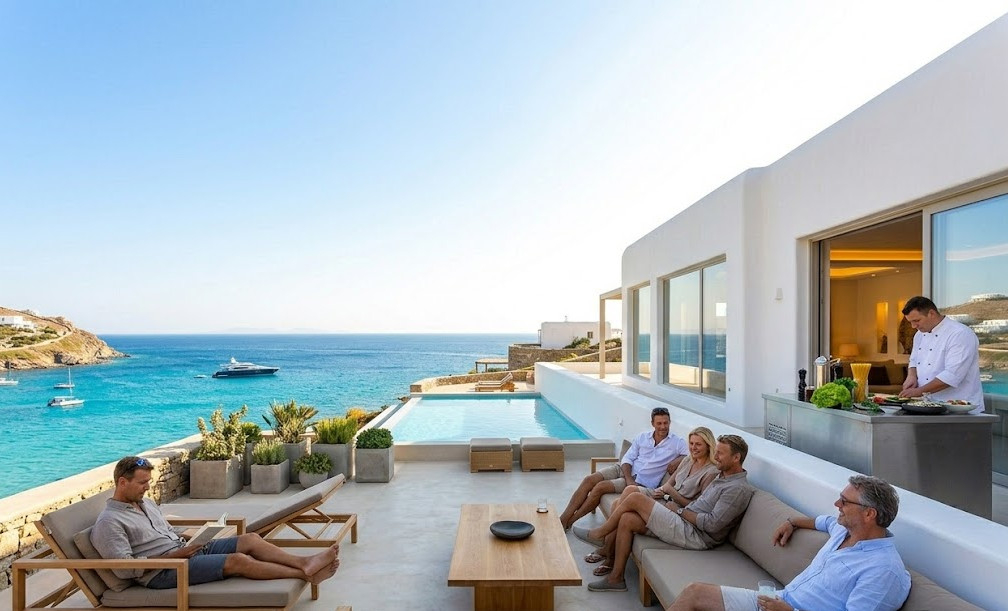
From Farm to Villa Table: How It Happens
Loyal Villas Luxury private chefs don’t just cook — they curate rituals. The process begins before guests arrive:
- Villa gardens & local sourcing: Many estates feature small organic orchards, herb gardens, or vegetable patches. Chefs harvest fresh tomatoes, cucumbers, basil, and zucchini blossoms directly from the property in the morning.
- Daily market runs: The chef visits trusted producers in Ano Mera, Ano Mera hills, or nearby Tinos/Paros for the day’s catch (line-caught fish), fresh goat milk, or just-picked capers.
- Cretan–Mykonian fusion menus — Signature dishes that bridge the two islands: – Cretan dakos salad with Mykonian xinomizithra and sun-dried tomatoes from the villa garden – Slow-braised goat with thyme honey and barley rusks – Fresh sea bream with wild greens and olive oil from a 150-year-old tree – Kalitsounia (Cretan cheese pies) filled with local myzithra and drizzled with island honey
- The ritual itself : Meals are served slowly, often outdoors under a pergola or beside the infinity pool at sunset. The chef explains each ingredient’s origin: “This oregano was picked yesterday on the hill behind the villa,” “The olive oil is from Yiorgos’s grove in Kritsa,” “The lamb grazed on wild sage near Fokos.” Guests are invited to taste, smell, touch — turning dinner into a multi-sensory ceremony.
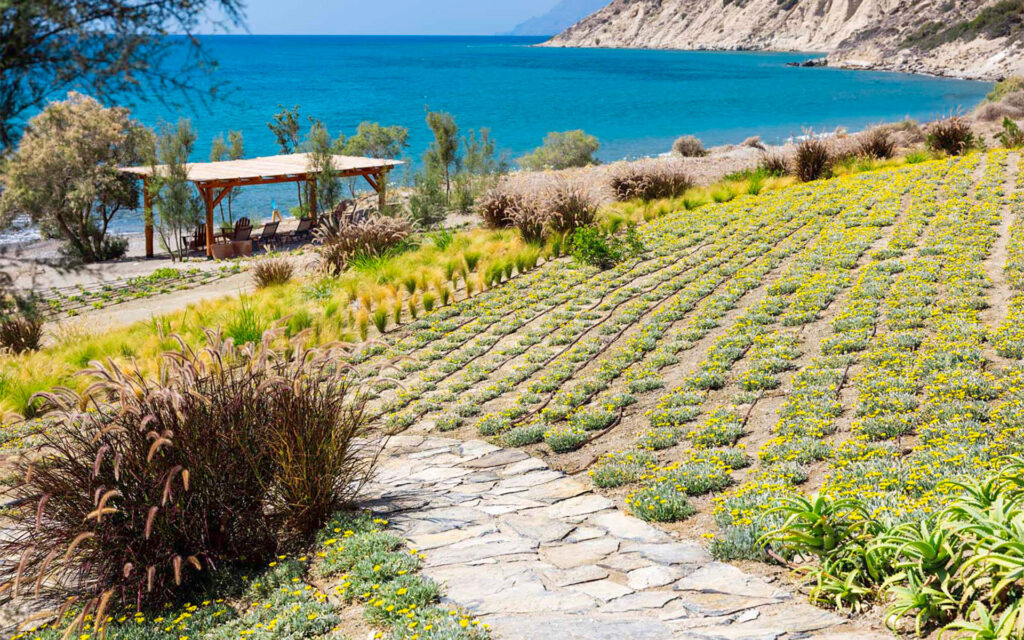
Why Root-to-Ritual Feels So Powerful in 2026
- Transparency: Every plate has a story; guests know exactly what they’re eating and why it tastes the way it does.
- Connection to place: The food becomes a bridge between the land, the people, and the guest.
- Mindful indulgence: No waste, no excess, just pure, seasonal abundance.
- Emotional resonance: In an age of fast food and anonymous supply chains, sitting down to a meal where every element is traceable creates a rare sense of gratitude and presence.
At Loyal Villas Luxury, root-to-ritual dining isn’t a trend, it’s a return to something ancient and essential. When your private chef picks herbs from the villa garden at dawn and plates them for you at dusk, the distance between farm and table disappears. What remains is the quiet joy of eating something that truly belongs to the place you’re in.
That’s not just dinner. That’s communion.
And in Mykonos, it tastes like home, even if you’ve never been here before.